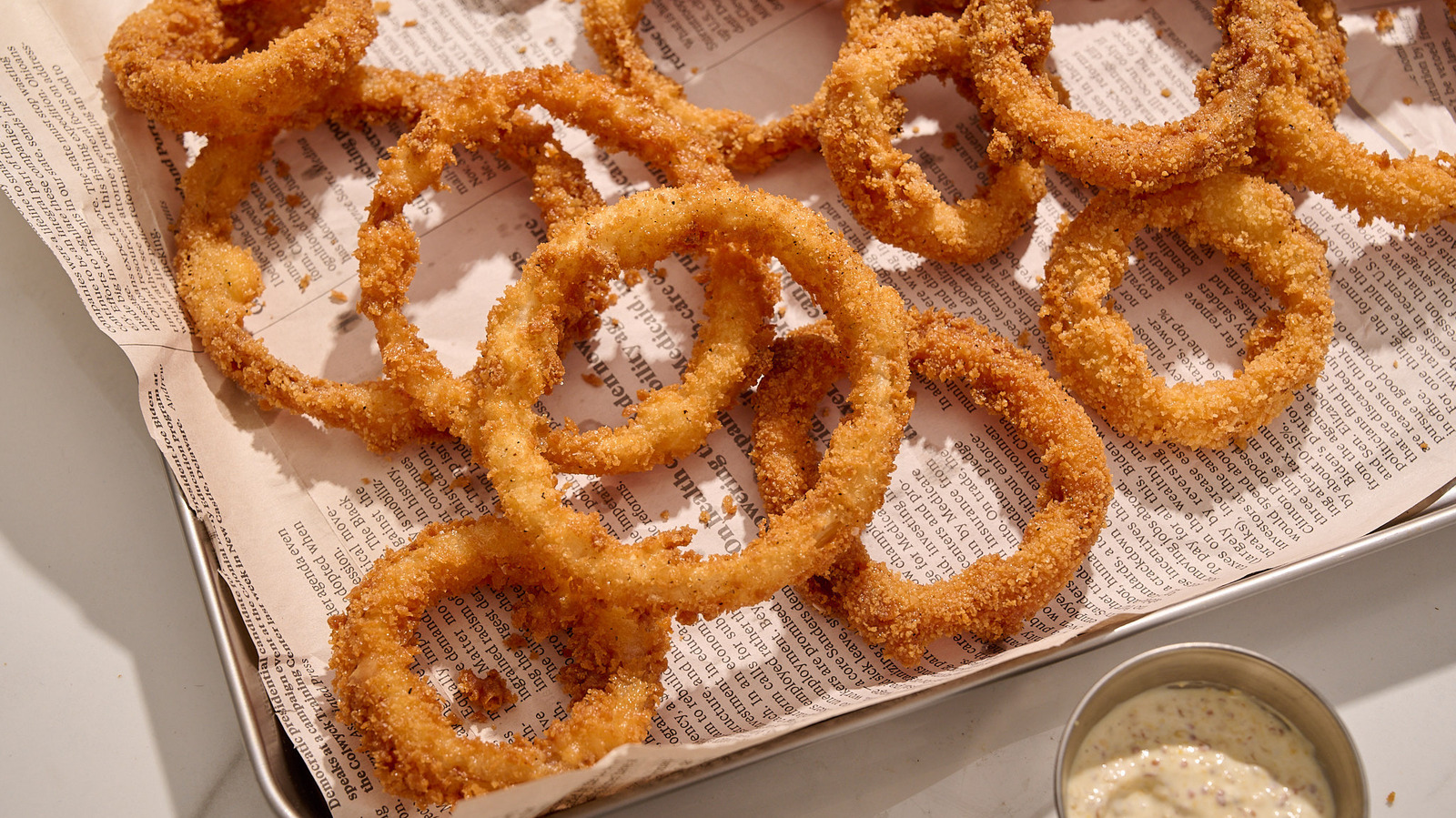
Unlocking the Ultimate Crunch: The Secret to Old-Fashioned Buttermilk Panko Onion Rings
There are few culinary delights that capture the universal appeal quite like a perfectly crispy homemade onion rings. That golden-brown, crunchy exterior giving way to a sweet, tender onion interior is a treat that transcends mere side dish status. While many variations exist, the old-fashioned buttermilk panko method stands out as a true revelation, offering a texture and flavor profile that rivals, and often surpasses, even the most acclaimed restaurant versions. Forget bland, soggy imitations; we're about to dive into the secrets that elevate simple onions to an utterly addictive experience.
Whether served as a stellar appetizer at your next gathering, a satisfying snack during a football game, or the quintessential companion to hamburgers, slow cooker pulled pork sandwiches, or any barbecue feast, these crispy homemade onion rings are guaranteed to impress. They even make an unexpected, delightful salad topper, or can be enjoyed simply with ketchup, much like French fries. The journey to mastering them is easier than you think, and the payoff is immense: a homemade delicacy that will undoubtedly become a new favorite.
The Allure of Old-Fashioned Buttermilk Panko Onion Rings
The history of onion rings is a fascinating one, evolving from humble beginnings. Early recipes, such as those found in "The Art of Cookery Made Easy and Refined," featured ingredients like cream, flour, and Parmesan cheese, a far cry from the modern iterations we know and love. Over time, the concept solidified into the battered and fried rings we cherish today, with the addition of breadcrumbs marking a pivotal moment in their crunchy evolution. For many connoisseurs, this breadcrumb-enhanced version, particularly when combined with a thick, creamy buttermilk batter, truly reigns supreme.
What sets the buttermilk panko combination apart? It's a symphony of textures and flavors. Unlike a simple beer-battered ring that offers a smooth, doughy crunch, the buttermilk panko method delivers a more substantial, airy, and undeniably crispy crust. The magic lies in two key components:
- Buttermilk: This tangy liquid does more than just bind ingredients; its natural acidity acts as a tenderizer for the onion slices, subtly sweetening them and preparing them perfectly for frying. It also contributes a unique depth of flavor that's both rich and slightly tart.
- Panko Breadcrumbs: These Japanese-style breadcrumbs are a game-changer. Their larger, flakier structure, compared to traditional breadcrumbs, results in an incredibly light, airy, and exceptionally crunchy texture that absorbs less oil, ensuring your homemade onion rings stay crisp longer.
Together, they create a unique texture that's more crunchy than doughy, a sensory delight that makes every bite mouth-watering and utterly satisfying, even without a dipping sauce.
The Secret Ingredients: Buttermilk, Panko, and the Perfect Onion
To embark on your journey to old-fashioned onion ring perfection, selecting the right ingredients is paramount. Each component plays a crucial role in achieving that sought-after restaurant-quality crunch and flavor.
- The Onion: The star of the show! For onion rings, you'll want to choose yellow or sweet onions (such as Vidalia or Walla Walla). Their mild, sweet flavor is ideal for breading and frying, caramelizing beautifully within the crispy coating. Avoid red onions, as their pungency can be too strong when fried. A single large onion can yield nearly 40 fried rings, perfect for a family snack or appetizer. For best results, slice your onion evenly, about ¼-inch thick, and gently separate the slices into individual rings. Pro tip: For an even milder flavor and crispier texture, soak the separated onion rings in a bowl of ice water for 15-30 minutes before dredging. This helps reduce their raw pungency and makes them extra crisp.
- The Batter Essentials: A classic buttermilk batter requires all-purpose flour, a touch of baking powder for lightness and lift, a pinch of salt to enhance flavor, and a large egg to bind everything together. And, of course, the star liquid: buttermilk. If you don't have buttermilk on hand, you can make a quick substitute by adding 1 tablespoon of white vinegar or lemon juice to a measuring cup and filling the rest with regular milk until it reaches 1 cup. Let it sit for 5-10 minutes until it curdles slightly.
- The Crispy Coating: This is where the magic of texture truly comes alive. You'll need a mixture of plain breadcrumbs and, crucially, panko breadcrumbs. The plain breadcrumbs help ensure full, even coverage on the battered onion, while the panko delivers that signature light and airy crunch.
- Flavor Boosters: Beyond the essential salt (which you'll add to both the batter and the breadcrumb mixture), elevate your onion rings with freshly ground black pepper and aromatic garlic powder mixed into the breadcrumbs. For an extra layer of flavor, consider adding a dash of smoked paprika or a pinch of cayenne pepper for a subtle kick.
- Frying Oil: A large bottle of neutral-flavored oil with a high smoke point is essential. Canola oil, vegetable oil, or peanut oil are all excellent choices for achieving that perfect golden-brown crisp.
Crafting Your Crispy Masterpiece: Step-by-Step Guide
Making these glorious onion rings at home is a straightforward process, built on a few simple, sequential steps. Preparation is key to ensuring a smooth frying experience.
- Prepare Your Station: Begin by arranging a baking sheet fitted with a wire rack. This allows excess flour and batter to drip off, preventing soggy spots and ensuring an even coating. Set up three bowls: one for the dry flour dredge, one for the wet buttermilk batter, and one for the seasoned breadcrumbs.
- The First Dredge: In the first bowl, whisk together 1 ½ cups of all-purpose flour, ½ teaspoon of baking powder, and 1 teaspoon of salt. Take your separated onion rings (and remember the ice water soak tip!), and dredge them lightly in this flour mixture. Shake off any excess and place them on your prepared wire rack. This initial flour coat acts as a primer, helping the wet batter adhere uniformly.
- The Buttermilk Batter: In the second bowl, whisk together 1 large egg and 1 ½ cups of buttermilk. Then, gradually add half of the remaining dry flour mixture from the first bowl to the buttermilk mixture, whisking until a smooth, pancake-like batter forms. Ensure there are no lumps.
- The Batter Dip: Dredge the flour-coated onion rings into the buttermilk batter, making sure each ring is thoroughly coated. Again, let any excess batter drip off before returning them to the wire rack.
- The Panko Power-Up: In the third bowl, combine 1 cup of plain breadcrumbs, 1 ½ cups of panko breadcrumbs, 1 teaspoon of salt, ½ teaspoon of black pepper, and ½ teaspoon of garlic powder. Working one at a time, press the battered onion rings firmly into this breadcrumb mixture. The key here is to press, ensuring the breadcrumbs adhere completely and form a thick, dense crust. Return the fully coated rings to a clean section of the wire rack, or a separate baking sheet, ready for frying.
Mastering the Fry: Essential Tips for Golden Perfection
Frying can seem intimidating, but with a few crucial techniques, you'll be producing perfectly golden, crispy onion rings every time. For a deeper dive into optimal frying techniques, be sure to check out Foolproof Frying: Get Perfectly Crispy Onion Rings Every Time.
- Temperature Control is King: This is arguably the most critical step. Heat your frying oil in a heavy-bottomed pot or cast-iron skillet over medium to medium-high heat. You're aiming for a consistent oil temperature between 350-375°F (175-190°C). Always use a deep-fry thermometer to monitor this closely.
- Too Cool: If the oil is below 350°F, your onion rings will absorb too much oil, becoming greasy and soggy instead of crisp.
- Too Hot: If the oil is above 375°F, the batter may burn and turn dark brown before the onion inside has a chance to cook through, resulting in a bitter taste and a raw center.
- Avoid Overcrowding: Resist the urge to dump all your rings into the fryer at once. Overcrowding the pan dramatically drops the oil temperature, leading to the soggy scenario mentioned above. Fry in small batches, typically 3-5 rings at a time, depending on the size of your pot. This helps maintain a consistent oil temperature and ensures each ring fries evenly.
- Frying Time: Fry the onion rings for about 2-4 minutes per batch, or until they achieve a beautiful golden-brown color and are irresistibly crispy. Use tongs or a slotted spoon to gently turn them if needed for even browning.
- Draining: As each batch finishes frying, transfer the golden rings to a fresh wire rack placed over a paper towel-lined baking sheet. This allows excess oil to drain off, keeping them crisp. Sprinkle immediately with a little extra salt if desired.
- Safety First: Never leave hot oil unattended. Ensure your frying vessel is large enough to prevent boil-overs, and keep a lid or baking soda nearby to smother any potential oil fires (never use water!).
Beyond the Fryer: Serving Suggestions and Troubleshooting
Once your kitchen is filled with the tantalizing aroma of freshly fried onion rings, it's time to enjoy the fruits of your labor!
Perfect Pairings
While delicious on their own, old-fashioned buttermilk panko onion rings are incredibly versatile:
- Classic Comfort: Serve alongside grilled hamburgers, hot dogs, or a hearty slow cooker pulled pork sandwich.
- BBQ Bliss: They are the perfect complement to any BBQ fare, from smoked ribs to grilled chicken.
- Steakhouse Style: Elevate a simple steak dinner with a side of these gourmet rings.
- Dipping Sauces: Ketchup is a given, but don't stop there! Try a zesty ranch, a creamy spicy mayo, a tangy aioli, or a homemade fry sauce.
Common Troubleshooting Tips
- Soggy Rings: The most common culprit is oil temperature that's too low, or overcrowding the pot. Ensure your oil is consistently within the 350-375°F range and fry in small batches.
- Coating Falling Off: This can happen if the initial flour dredge wasn't thorough, if the batter was too thin, or if the breadcrumbs weren't pressed on firmly enough. Also, ensure the onions are relatively dry before the first dredge.
- Burning Too Quickly: Your oil temperature is too high. Reduce the heat and allow it to cool slightly before continuing to fry.
- Not Crispy Enough: This often relates back to oil temperature. Ensure it's hot enough, and avoid removing them from the oil prematurely. They should be deeply golden.
There's an undeniable satisfaction in creating something truly delicious from scratch, and these old-fashioned buttermilk panko onion rings are no exception. The unique combination of tenderizing buttermilk and ultra-crisp panko breadcrumbs transforms a simple onion into an extraordinary treat. With careful attention to oil temperature and batch frying, you can achieve restaurant-quality results in your own kitchen. So, gather your ingredients, fire up the fryer, and prepare to delight your taste buds with the secret to the ultimate homemade onion rings!
